

In the Philippines, stickers have transcended their humble origins to become versatile tools for self-expression, branding, hobbyist art, and practical applications.
From vibrant vinyl designs on cars to handcrafted paper stickers that highlight hometown pride, the materials used in sticker printing and cutting reflect a unique balance of durability, affordability, and cultural relevance. The country’s tropical climate and dynamic lifestyle further influence the preference for materials that withstand heat, humidity, and frequent use.
Here’s a closer look at the most popular sticker materials dominating the Philippine market:
Vinyl: The Go-To for Longevity and Versatility
Vinyl sticker remains the most widely used sticker material in the Philippines due to its durability and adaptability. Weather-resistant and UV-protected, vinyl stickers are favored for outdoor use, including vehicle wraps, phone cases, and promotional signage. Glossy and matte finishes are readily available, with the former offering a bold, eye-catching look and the latter a sleek, modern aesthetic.
Vinyl: The Go-To for Longevity and Versatility
Vinyl sticker remains the most widely used sticker material in the Philippines due to its durability and adaptability. Weather-resistant and UV-protected, vinyl stickers are favored for outdoor use, including vehicle wraps, phone cases, and promotional signage. Glossy and matte finishes are readily available, with the former offering a bold, eye-catching look and the latter a sleek, modern aesthetic.
Reflective vinyl is particularly popular for safety-related purposes, such as stickers on bicycles, emergency vehicles, and construction equipment. Local printers and online shops often tout vinyl’s ability to last up to five years, even in the Philippines’ humid conditions, making it a top choice for both commercial brands and individual creators.
Paper: Affordable and Ideal for Indoor Use
Despite the tropical climate, paper stickers remain a staple for indoor applications, especially in niches like fan art, collectibles, and digital printouts. Often watermarked or textured, these stickers cater to hobbyists, educators, and small businesses seeking a cost-effective option.
Paper: Affordable and Ideal for Indoor Use
Despite the tropical climate, paper stickers remain a staple for indoor applications, especially in niches like fan art, collectibles, and digital printouts. Often watermarked or textured, these stickers cater to hobbyists, educators, and small businesses seeking a cost-effective option.
Laminated paper stickers, which add a protective layer, are gaining traction for events and lightweight use, such as promotional material in schools or local markets. The paper sticker trend has also fueled the rise of Filipino freelance artists offering custom designs on platforms like Printful and Etsy, allowing users to showcase Pinoy culture through memes, traditional motifs, and regional pride symbols.


Reflective Stickers: Safety First
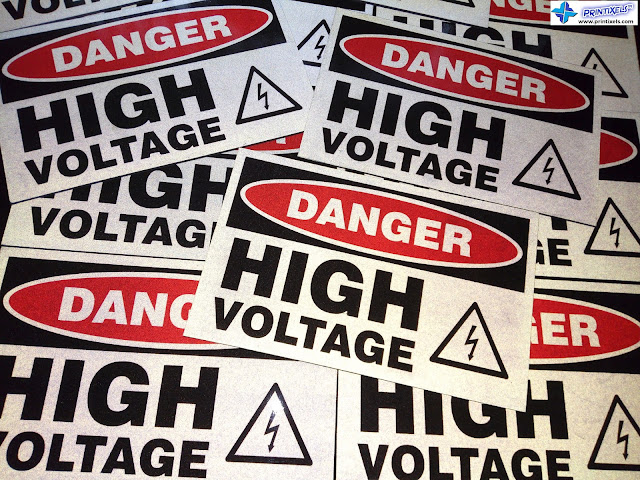
Safety-conscious industries in the Philippines, including automotive, logistics, and education, heavily rely on reflective sticker materials. These stickers incorporate retroreflective resin or glass beads that glow under light, enhancing visibility during nighttime or low-light conditions.
Their use is particularly prevalent in traffic signs, safety vests, and school buses, where compliance with national standards is critical. Local manufacturers and international companies operating in the country prioritize reflective stickers for infrastructure projects, making this material both functional and regulated.
Heat Transfer: The Rise of Custom Apparel
With the surge in DIY culture and personalized fashion, heat transfer stickers (vinyl-based with adhesive backing) have become a hit among Filipinos. Used to customize t-shirts, hoodies, and promotional merchandise, this material is popular in schools, barangay events, and boutique collaborations.
Heat Transfer: The Rise of Custom Apparel
With the surge in DIY culture and personalized fashion, heat transfer stickers (vinyl-based with adhesive backing) have become a hit among Filipinos. Used to customize t-shirts, hoodies, and promotional merchandise, this material is popular in schools, barangay events, and boutique collaborations.
Online platforms like Shopee and Facebook Marketplace now list heat transfer kits with instructions in local languages, empowering creators to produce branded or commemorative designs at home. The material’s temporary hold (4-5 washes) suits seasonal trends, aligning with Filipino consumers’ love for festive and event-specific merchandise.
Niche Materials: Fabric, Metal, and More
For specialty applications, fabric and metal stickers cater to niche markets. Fabric stickers are used on bags and clothing for a soft, seamless finish, while laser-cut metal or ceramic stickers are sought for high-end promotional gifts and decorative items.
Niche Materials: Fabric, Metal, and More
For specialty applications, fabric and metal stickers cater to niche markets. Fabric stickers are used on bags and clothing for a soft, seamless finish, while laser-cut metal or ceramic stickers are sought for high-end promotional gifts and decorative items.
These materials, though pricier, appeal to businesses looking to create unique, long-lasting imprints, such as corporate giveaways or eco-friendly fashion accessories.
In a country where stickers are both practical and personal—adorned on laptops for tech flair, sold as souvenirs in street markets, or used to promote social causes—the choice of material often hinges on purpose, budget, and creativity.
In a country where stickers are both practical and personal—adorned on laptops for tech flair, sold as souvenirs in street markets, or used to promote social causes—the choice of material often hinges on purpose, budget, and creativity.
Filipino artists and entrepreneurs continue to innovate, blending traditional craftsmanship with modern materials to craft stickers that are as diverse as the nation itself. Whether for utility or expression, the Philippine sticker scene is a vibrant testament to the material’s enduring appeal.
Related Product:


0 Comments:
Post a Comment