

A customized sticker is essentially a pre‑cut piece of adhesive‑backed paper, vinyl, or polymer that is ready to peel and stick in a single step. Most stickers are printed on thin, flexible media and feature a matte or gloss finish that is best suited for short‑term or low‑traffic placements—think name‑tags, promotional giveaways, laptop skins, and the colorful “tapa” labels that adorn food stalls in Manila’s night markets. Because they are inexpensive to produce (often under ₱10 per piece for bulk orders) and can be printed on standard digital presses, stickers dominate the low‑budget promotional arena, especially among small businesses and community events.
A decal, on the other hand, denotes a more durable, often multi‑layered graphic that is transferred from a carrier sheet to a surface using a wet‑application or heat‑transfer method. Decals are typically made from thicker, UV‑resistant vinyl, polyester or even specialized polymer films that can withstand the harsh tropical climate of the Philippines—high humidity, intense sunlight, and occasional monsoon rains.
The printing process usually involves large‑format solvent, UV, or eco‑solvent inks, followed by a protective laminate that guards against fading and peeling. This makes decals the go‑to solution for long‑term branding on vehicles, storefront windows, motorcycles, and even industrial equipment. In Metro Manila’s bustling jeepney industry, for example, full‑color vinyl decals are applied to side panels and rear windows, providing a weather‑proof canvas that can survive years of constant exposure.


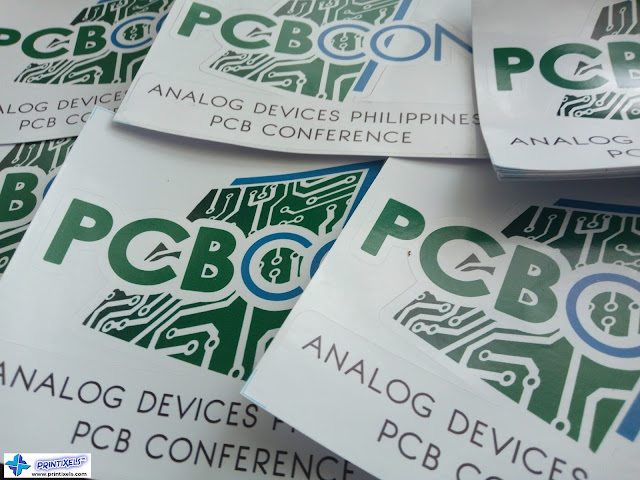
From a market perspective, the Philippines’ sticker and decal sectors have evolved alongside the country’s digital sticker printing boom. Many local suppliers cater to both segments: they offer rapid‑turn sticker services for social‑media‑driven campaigns, while simultaneously providing custom‑cut, large‑format decal production for automotive and architectural clients.
Regulatory nuances also set the two apart. The Department of Trade and Industry (DTI) classifies stickers as “consumer promotional goods,” subject only to basic labeling standards. Decals, especially those used on public transport or building façades, must comply with the Land Transportation Office (LTO) and local city ordinances that regulate size, reflectivity, and placement to ensure road safety and aesthetic conformity. Failure to meet these guidelines can result in fines or removal orders, a reality that many Filipino entrepreneurs overlook when they mistakenly purchase a cheap sticker for a purpose that demands a durable decal.
In summary, while both stickers and decals share the core idea of adhesive graphics, their material resilience, application techniques, cost structures, and regulatory requirements diverge sharply in the Philippine context.
Regulatory nuances also set the two apart. The Department of Trade and Industry (DTI) classifies stickers as “consumer promotional goods,” subject only to basic labeling standards. Decals, especially those used on public transport or building façades, must comply with the Land Transportation Office (LTO) and local city ordinances that regulate size, reflectivity, and placement to ensure road safety and aesthetic conformity. Failure to meet these guidelines can result in fines or removal orders, a reality that many Filipino entrepreneurs overlook when they mistakenly purchase a cheap sticker for a purpose that demands a durable decal.
In summary, while both stickers and decals share the core idea of adhesive graphics, their material resilience, application techniques, cost structures, and regulatory requirements diverge sharply in the Philippine context.
Choosing the right product hinges on the intended lifespan, environmental exposure, and legal constraints of the project—whether you’re handing out a colorful giveaway at a barangay fiesta or branding a fleet of tricycles that will zip through the archipelago’s bustling streets for years to come.
Related Product:


0 Comments:
Post a Comment