

At their core, these signs translate complex networks of highways, provincial routes, and local alleys into clear, actionable cues for drivers, pedestrians, and cyclists. In a country where traffic congestion ranks among the world’s most severe, well‑placed and standardized signs—such as “SPEED LIMIT,” “ONE WAY,” and “UTURN PROHIBITED”—are essential for regulating flow, preventing bottlenecks, and reducing the likelihood of collisions.
The Department of Public Works and Highways (DPWH) and the Land Transportation Office (LTO) have adopted the Philippine Standards for Traffic Control Devices (PSTCD), ensuring that colors, shapes, and symbols are consistent nationwide, which is crucial for a nation of over 100 languages and dialects.
Beyond safety, directional signage fuels economic activity. Tourist hotspots like Palawan’s El Nido, the Chocolate Hills of Bohol, and the historic streets of Vigan depend on clear wayfinding to convert first‑time visitors into repeat travelers.
Beyond safety, directional signage fuels economic activity. Tourist hotspots like Palawan’s El Nido, the Chocolate Hills of Bohol, and the historic streets of Vigan depend on clear wayfinding to convert first‑time visitors into repeat travelers.
Multilingual signs—often rendered in English, Filipino, and the local vernacular—bridge language gaps, encouraging tourists to explore off‑the‑beaten‑path destinations that might otherwise be overlooked. This, in turn, spurs local entrepreneurship, from roadside eateries to souvenir shops, and creates jobs in communities that previously relied on agriculture alone.

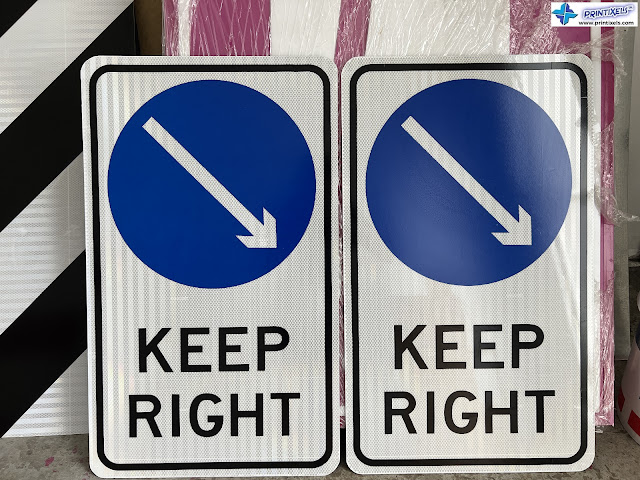
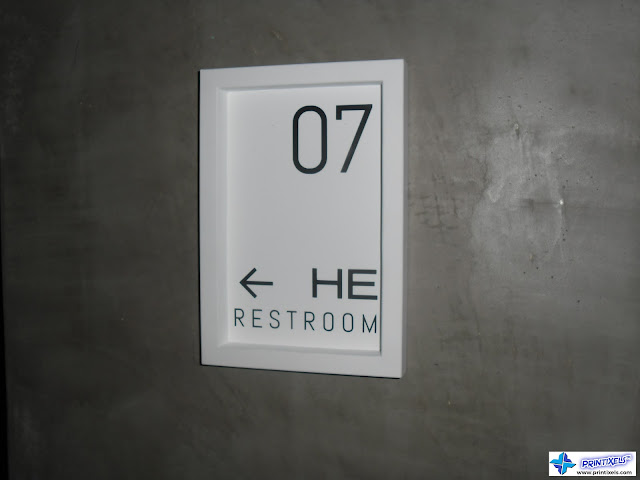
Finally, directional signs embody a nation’s commitment to inclusive urban design. By integrating tactile paving for the visually impaired, high‑contrast lettering for the elderly, and digital QR codes that link to real‑time traffic updates, the Philippines is modernizing its wayfinding infrastructure to serve all citizens.
As the archipelago continues to urbanize and its tourism sector expands, investing in coherent, resilient, and culturally sensitive directional signage is not merely a matter of convenience—it is a strategic imperative for safety, prosperity, and social cohesion.
Related Product:


0 Comments:
Post a Comment