

Made from woven polyethylene or PVC‑coated fabric, these lightweight yet durable sheets can be printed with vibrant graphics, bold lettering, and even UV‑resistant inks that retain their brilliance under the country’s intense tropical sun. Because they are weather‑proof, easy to fold, and inexpensive to produce, tarpaulins are the go‑to medium for everything from small‑scale neighborhood events to large commercial advertising campaigns.
The practical appeal of tarpaulin banners lies in their adaptability. For a local fiesta, a community may stretch a 6 × 3‑meter tarp over a stage, showcasing the patron saint’s image and the date of the celebration, while nearby stalls display smaller 1 × 2‑meter promos for food vendors.
Retailers along busy thoroughfares such as EDSA or C. M. Recto use towering vertical tarps to announce sales, new product lines, or grand openings; the material’s stiffness allows it to be mounted on steel frames, pole structures, or even the sides of Jeepneys, turning public transport into moving billboards. In the corporate sector, multinational firms often commission high‑resolution, full‑color tarps for product launches, trade‑show backdrops, or corporate social‑responsibility drives, taking advantage of the medium’s large‑format capability without the high cost of billboard rentals.
Furthermore, tarpaulin banners serve a functional role in disaster preparedness—a critical consideration in a nation regularly hit by typhoons and floods. Local government units (LGUs) distribute printed tarps bearing evacuation routes, emergency contact numbers, and safety instructions, hanging them in schools, barangay halls, and community centers where they remain readable even after heavy rain. Their durability ensures that vital information stays visible when other signage might be washed away.
Furthermore, tarpaulin banners serve a functional role in disaster preparedness—a critical consideration in a nation regularly hit by typhoons and floods. Local government units (LGUs) distribute printed tarps bearing evacuation routes, emergency contact numbers, and safety instructions, hanging them in schools, barangay halls, and community centers where they remain readable even after heavy rain. Their durability ensures that vital information stays visible when other signage might be washed away.
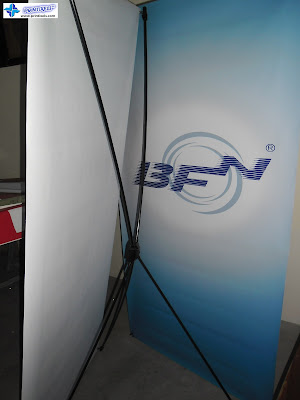


The production process itself has evolved alongside the Filipino market’s demand for speed and quality. Digital large‑format printers now allow on‑demand tarpaulin printing, meaning a business can turn a design around in a matter of hours. Many printing shops in Manila, Cebu, and Davao offer add‑ons such as reinforced grommets, wind‑break hem stitching, and fire‑retardant treatments—features that cater to both aesthetic preferences and regulatory requirements. Moreover, the rise of eco‑conscious consumers has spurred a niche for biodegradable or recycled‑polyethylene tarps, marrying the traditional utility of the tarp with modern sustainability goals.
Culturally, tarpaulin banners have woven themselves into the fabric of Filipino expression. The colorful, sometimes over‑the‑top, graphics echo the exuberance of the country’s festivals, while the accessibility of the medium empowers small entrepreneurs, community organizers, and political candidates alike to amplify their message without the barrier of exorbitant media costs.
Whether fluttering above a bustling night market in Davao, announcing a barangay election in a Visayan town, or guiding flood‑victims in a coastal province, tarpaulin banners remain a testament to the Philippines’ blend of practicality, creativity, and communal spirit.
Related Service:


0 Comments:
Post a Comment