

Today’s Filipino businesses recognize that a well‑designed signage not only guides visitors and reinforces corporate identity, but also conveys professionalism in a market where first impressions are pivotal. The most popular formats include illuminated acrylic letters, brushed‑aluminum plaques, and digitally driven LED displays that can be updated in real time to showcase promotions or corporate announcements.
Sustainable materials—recycled aluminum, eco‑friendly acrylic, and low‑energy LED fixtures—are gaining traction as companies align with the Philippines’ growing emphasis on green building practices under the “Green Building Code” of the Department of Public Works and Highways.
Regulatory considerations remain a cornerstone of any signage project. The National Building Code (Presidential Decree No. 1096) mandates that signs must not obstruct fire exits, impede egress routes, or exceed height restrictions set by the local government unit (LGU).
Additionally, the Department of Trade and Industry (DTI) requires clear, legible lettering for business name registration, while the Bureau of Internal Revenue (BIR) mandates that tax identification numbers be displayed on certain commercial signs. Failure to adhere to these guidelines can result in fines, removal orders, or delays in occupancy permits. To navigate this landscape, many firms enlist specialist sign makers who are versed in the latest “Signage Ordinance” of each city and can secure the necessary permits from the City Planning and Development Office (CPDO).
Regulatory considerations remain a cornerstone of any signage project. The National Building Code (Presidential Decree No. 1096) mandates that signs must not obstruct fire exits, impede egress routes, or exceed height restrictions set by the local government unit (LGU).
Additionally, the Department of Trade and Industry (DTI) requires clear, legible lettering for business name registration, while the Bureau of Internal Revenue (BIR) mandates that tax identification numbers be displayed on certain commercial signs. Failure to adhere to these guidelines can result in fines, removal orders, or delays in occupancy permits. To navigate this landscape, many firms enlist specialist sign makers who are versed in the latest “Signage Ordinance” of each city and can secure the necessary permits from the City Planning and Development Office (CPDO).


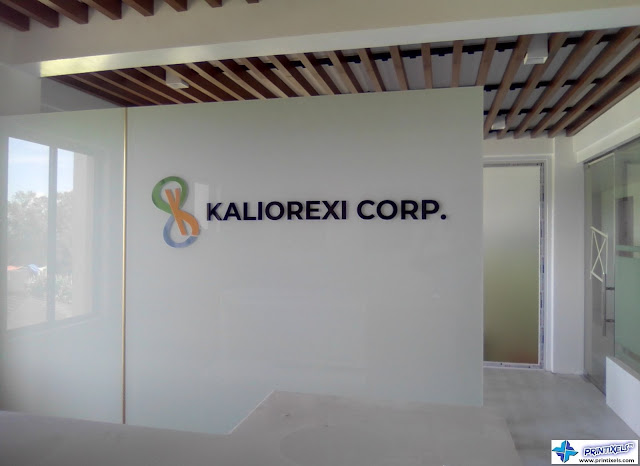
Office signage design trends reflect a cultural blend of modern minimalism and Filipino motifs. Bold sans‑serif fonts are paired with subtle nods to indigenous patterns—baybayin script, stylized jeepney silhouettes, or tropical color palettes—creating a unique visual narrative that resonates with both local staff and international clients.
Moreover, the pandemic accelerated the adoption of touch‑free wayfinding systems: QR‑code‑enabled directories, motion‑sensor LED panels, and integrated indoor navigation apps that sync with smartphones. These digital solutions not only enhance safety by reducing physical contact but also provide analytics on foot traffic, informing space planning and marketing strategies.
In summary, office signage in the Philippines is a dynamic intersection of branding, compliance, and innovation. Companies that invest in high‑quality, regulation‑friendly, and culturally attuned signage not only meet legal requirements but also elevate their corporate image, attract talent, and foster a welcoming environment for clients and visitors alike.
As the market continues to mature, the integration of sustainable materials and smart technology will likely define the next wave of office signage, positioning the Philippines as a regional leader in creative and responsible visual communication.
Moreover, the pandemic accelerated the adoption of touch‑free wayfinding systems: QR‑code‑enabled directories, motion‑sensor LED panels, and integrated indoor navigation apps that sync with smartphones. These digital solutions not only enhance safety by reducing physical contact but also provide analytics on foot traffic, informing space planning and marketing strategies.
In summary, office signage in the Philippines is a dynamic intersection of branding, compliance, and innovation. Companies that invest in high‑quality, regulation‑friendly, and culturally attuned signage not only meet legal requirements but also elevate their corporate image, attract talent, and foster a welcoming environment for clients and visitors alike.
As the market continues to mature, the integration of sustainable materials and smart technology will likely define the next wave of office signage, positioning the Philippines as a regional leader in creative and responsible visual communication.
Related Product:


0 Comments:
Post a Comment