

Three of the most widely used backings—acrylic, Sintra (PVC‑foam) board, and metal—each offer distinct advantages that suit different environments, budgets, and regulatory demands.
Acrylic


Acrylic
Acrylic sheets (typically 3 mm to 6 mm thick) provide a crystal‑clear, high‑gloss surface that enhances legibility and gives the sign a premium look. Because acrylic is non‑porous, it resists water absorption, mold, and fungal growth—an essential feature for coastal facilities, warehouses, and outdoor walkways. UV‑stabilized acrylic also combats the yellowing that ordinary plastics suffer under the Philippines’ intense sun.
The trade‑off is cost; acrylic is usually 30‑40 % more expensive than Sintra, and while it can tolerate impacts up to a moderate level, heavy blows can crack or shatter. For high‑visibility indoor areas (e.g., factories, hospitals, corporate lobbies) where aesthetics matter, acrylic remains the preferred choice.
Sintra (PVC‑Foam) Board
Sintra, a lightweight PVC‑foam core with a smooth, printable surface, has become the workhorse of the Philippine signage industry. Its rigidity (typically 2 mm to 4 mm) makes it easy to cut, bend, and mount on walls, doors, or aluminum frames. Sintra is inherently water‑resistant and, when paired with a UV‑coated overlay, can survive the sun’s rays for up to three years before noticeable fading.
Sintra (PVC‑Foam) Board
Sintra, a lightweight PVC‑foam core with a smooth, printable surface, has become the workhorse of the Philippine signage industry. Its rigidity (typically 2 mm to 4 mm) makes it easy to cut, bend, and mount on walls, doors, or aluminum frames. Sintra is inherently water‑resistant and, when paired with a UV‑coated overlay, can survive the sun’s rays for up to three years before noticeable fading.

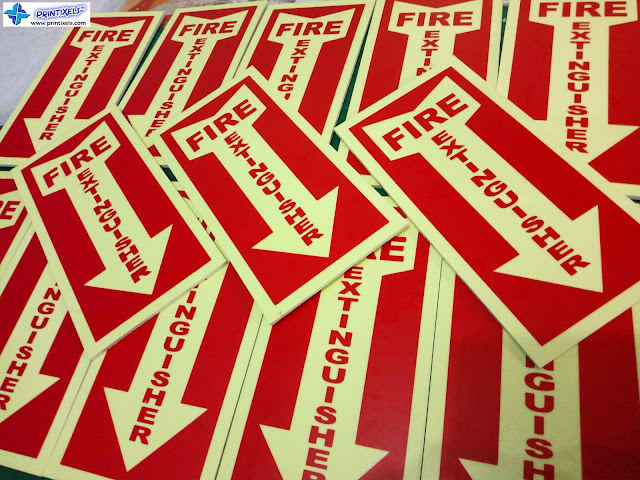
The material’s flexibility allows for curved or irregular installations, and its price point—often half that of acrylic—makes it attractive for large‑scale projects such as plant‑wide hazard notices, construction sites, and temporary event signage. The main limitation is durability; while Sintra can endure moderate impacts, it scratches more easily than metal or acrylic, so it is best reserved for low‑traffic zones or indoor applications.
Metal (Aluminum or Steel)
Metal backings, especially aluminum, are the gold standard for long‑term, high‑traffic safety signs. Aluminum’s corrosion‑resistant alloy, combined with a powder‑coat or anodized finish, can withstand the Philippines’ salty sea air, monsoon downpours, and abrasive cleaning agents. Metal signs are virtually impervious to impact and can be fabricated in a range of thicknesses—from 0.8 mm for lightweight indoor signs to 3 mm for robust outdoor installations on roads, ports, and mining sites.
Metal (Aluminum or Steel)
Metal backings, especially aluminum, are the gold standard for long‑term, high‑traffic safety signs. Aluminum’s corrosion‑resistant alloy, combined with a powder‑coat or anodized finish, can withstand the Philippines’ salty sea air, monsoon downpours, and abrasive cleaning agents. Metal signs are virtually impervious to impact and can be fabricated in a range of thicknesses—from 0.8 mm for lightweight indoor signs to 3 mm for robust outdoor installations on roads, ports, and mining sites.

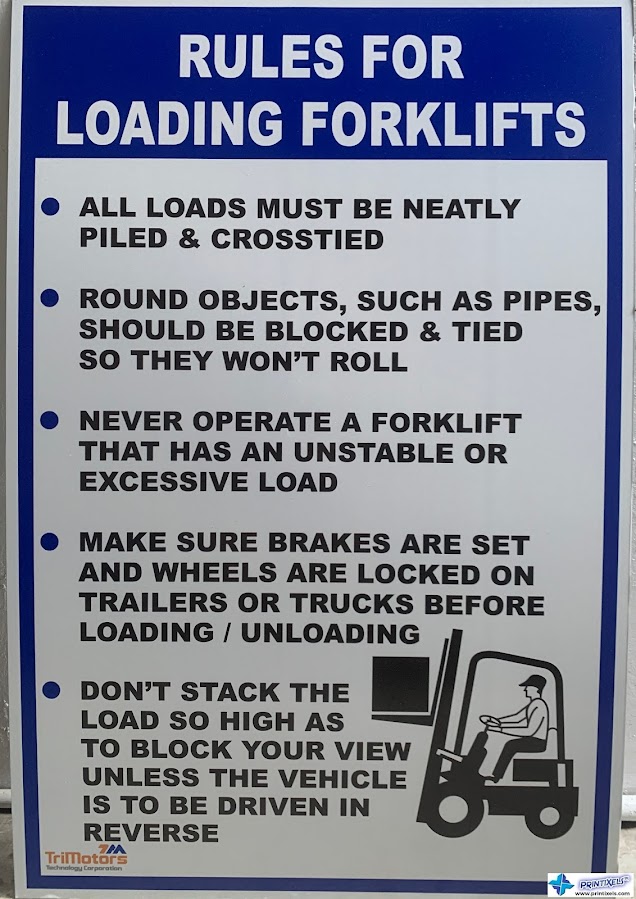
The downside is weight and cost; a metal sign can be 2–3 times heavier than its acrylic or Sintra counterpart, requiring stronger mounting hardware. Additionally, metal must be properly treated to avoid rust on steel variants, which can add to the overall expense.
Choosing the Right Backing
Regulatory bodies such as the Department of Labor and Employment (DOLE) and the Philippine Standards (PST) do not prescribe a specific backing material, but they require signs to remain legible for the intended service life—typically three to five years for most workplaces. Decision‑makers should therefore weigh three key factors:
Location & Exposure – Outdoor, coastal, or high‑traffic zones favor metal or UV‑treated acrylic; indoor or short‑term uses can lean toward Sintra.
Budget & Volume – Large, repetitive signs often justify Sintra’s cost‑effectiveness; premium branding or critical‑hazard signs merit the higher investment in acrylic or metal.
Maintenance & Longevity – If signs will be cleaned frequently with harsh chemicals, metal’s durability or acrylic’s smooth surface will reduce wear, whereas Sintra may require more frequent replacement.
In practice, many Filipino companies adopt a hybrid approach: metal or acrylic for primary hazard signs at entrances and work‑area perimeters, and Sintra for secondary informational signs inside offices or storage rooms. By aligning the backing material with environmental demands, budget constraints, and safety regulations, organizations can ensure that their safety signs remain clear, compliant, and durable—protecting both workers and the bottom line for years to come.
Choosing the Right Backing
Regulatory bodies such as the Department of Labor and Employment (DOLE) and the Philippine Standards (PST) do not prescribe a specific backing material, but they require signs to remain legible for the intended service life—typically three to five years for most workplaces. Decision‑makers should therefore weigh three key factors:
Location & Exposure – Outdoor, coastal, or high‑traffic zones favor metal or UV‑treated acrylic; indoor or short‑term uses can lean toward Sintra.
Budget & Volume – Large, repetitive signs often justify Sintra’s cost‑effectiveness; premium branding or critical‑hazard signs merit the higher investment in acrylic or metal.
Maintenance & Longevity – If signs will be cleaned frequently with harsh chemicals, metal’s durability or acrylic’s smooth surface will reduce wear, whereas Sintra may require more frequent replacement.
In practice, many Filipino companies adopt a hybrid approach: metal or acrylic for primary hazard signs at entrances and work‑area perimeters, and Sintra for secondary informational signs inside offices or storage rooms. By aligning the backing material with environmental demands, budget constraints, and safety regulations, organizations can ensure that their safety signs remain clear, compliant, and durable—protecting both workers and the bottom line for years to come.
Related Product:


0 Comments:
Post a Comment