

While they may all share the common feature of bouncing back light to improve visibility at night or during heavy rain, reflective stickers differ markedly in material, design, regulatory standards, and intended use.
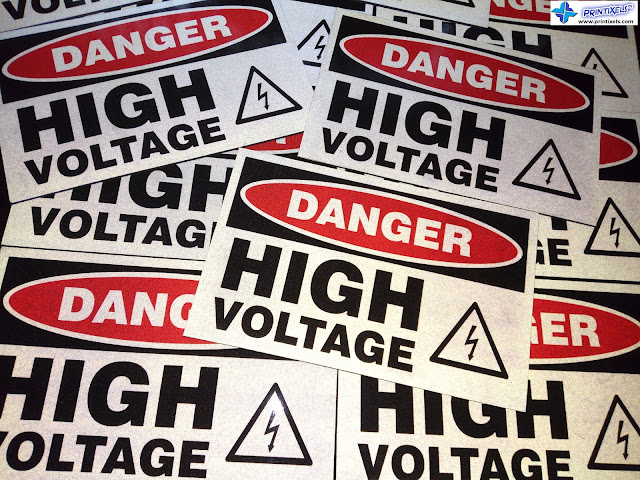


3. Construction‑site and industrial stickers – For workers and equipment, the industry relies on high‑intensity reflective tapes (often 3M™ Scotchlite® or locally produced equivalents) that adhere to helmets, high‑visibility vests, and machinery. These stickers are typically permanent acrylic‑based adhesives that can resist oil, dust, and UV degradation for up to three years—an important consideration given the Philippines’ year‑round sunshine and salt‑air exposure in coastal projects.
4. Personal‑safety stickers – Growing awareness of night‑time pedestrian hazards has spurred the popularity of small, peel‑and‑stick reflectors for backpacks, bicycles, and even shoes. These are usually made from light‑weight PET film with a low‑profile adhesive, allowing easy removal and repositioning. While they meet the PST 14: Personal Protective Equipment – Reflective Materials guidelines, they provide a lower reflectivity (≈ 40–60 %) compared to vehicle or road‑sign stickers, serving primarily as a supplemental safety cue.
5. Material and adhesive variations – Manufacturers differentiate their products by (a) the reflective technology (glass‑bead vs. micro‑prismatic), (b) adhesive strength (permanent, semi‑permanent, or removable), and (c) environmental resistance (UV stabilizers, water‑proof backing). Local producers often add a silicone‑based sealant to meet the Philippine Climate Resilience Standards, whereas imported brands may rely on the more common acrylic formulas.
In practice, the choice of reflective or reflectorized sticker hinges on three factors: function, environment, and regulatory compliance. A school bus driver will opt for a DOT‑approved, high‑intensity yellow decal that can survive daily washes, while a road‑work crew will select a removable orange tape that can be quickly laid down and taken up without leaving residue. Understanding these nuances ensures that the right sticker is applied to the right situation, ultimately enhancing visibility and safety across the archipelago’s bustling streets and work zones.
1. Vehicle‑related decals – The most familiar stickers are the Vehicle Identification Number (VIN) plates, LTO registration stickers, and hazard‑warning decals found on public utility vehicles, school buses, and taxis. These are usually made of high‑density polyester or polycarbonate with a glass bead or micro‑prismatic surface that meets the DOT‑III (U.S.) or the Philippine Technical Standard (PTS) 13: Reflective Materials for Vehicle Markings. The adhesive is engineered to withstand the country’s tropical heat and monsoon rains, offering a permanent bond that can survive at least five years of exposure.
2. Road‑sign and pavement markers – The Department of Public Works and Highways (DPWH) and the Land Transportation Office (LTO) employ three main categories of road‑sign stickers:
Type I (Standard Road Signs) – Large, rectangular or triangular stickers applied to existing metal or plastic signboards. They use retro‑reflective sheeting with a minimum 80 % reflectivity rating and are typically orange, yellow, or white, depending on the message.
Type II (Pavement Markings) – Thin, flexible tapes (often 50 mm wide) that are heat‑bonded or glued onto asphalt. These are made of micro‑prismatic polymer and are designed for high wear resistance, crucial for the Philippines’ frequent heavy‑vehicle traffic.
Type III (Temporary or Construction Zone Stickers) – Bright orange or pink adhesive strips placed on cones, barricades, and temporary signs. They use a glass‑bead reflective layer that provides a quick‑install solution and can be removed without damaging the substrate, a must for the ever‑shifting construction landscape of Metro Manila and other urban centers.
3. Construction‑site and industrial stickers – For workers and equipment, the industry relies on high‑intensity reflective tapes (often 3M™ Scotchlite® or locally produced equivalents) that adhere to helmets, high‑visibility vests, and machinery. These stickers are typically permanent acrylic‑based adhesives that can resist oil, dust, and UV degradation for up to three years—an important consideration given the Philippines’ year‑round sunshine and salt‑air exposure in coastal projects.
4. Personal‑safety stickers – Growing awareness of night‑time pedestrian hazards has spurred the popularity of small, peel‑and‑stick reflectors for backpacks, bicycles, and even shoes. These are usually made from light‑weight PET film with a low‑profile adhesive, allowing easy removal and repositioning. While they meet the PST 14: Personal Protective Equipment – Reflective Materials guidelines, they provide a lower reflectivity (≈ 40–60 %) compared to vehicle or road‑sign stickers, serving primarily as a supplemental safety cue.
5. Material and adhesive variations – Manufacturers differentiate their products by (a) the reflective technology (glass‑bead vs. micro‑prismatic), (b) adhesive strength (permanent, semi‑permanent, or removable), and (c) environmental resistance (UV stabilizers, water‑proof backing). Local producers often add a silicone‑based sealant to meet the Philippine Climate Resilience Standards, whereas imported brands may rely on the more common acrylic formulas.
In practice, the choice of reflective or reflectorized sticker hinges on three factors: function, environment, and regulatory compliance. A school bus driver will opt for a DOT‑approved, high‑intensity yellow decal that can survive daily washes, while a road‑work crew will select a removable orange tape that can be quickly laid down and taken up without leaving residue. Understanding these nuances ensures that the right sticker is applied to the right situation, ultimately enhancing visibility and safety across the archipelago’s bustling streets and work zones.
Related Product:


0 Comments:
Post a Comment